

Common Mistakes When Using a Rollator: How to Avoid Them
Using a rollator safely is about more than simply having one. From correct handle height and brake use to choosing the right model and keeping it well maintained, a few...
Shop Online or Visit our Retail Store, Livewell on Auckland’s North Shore.
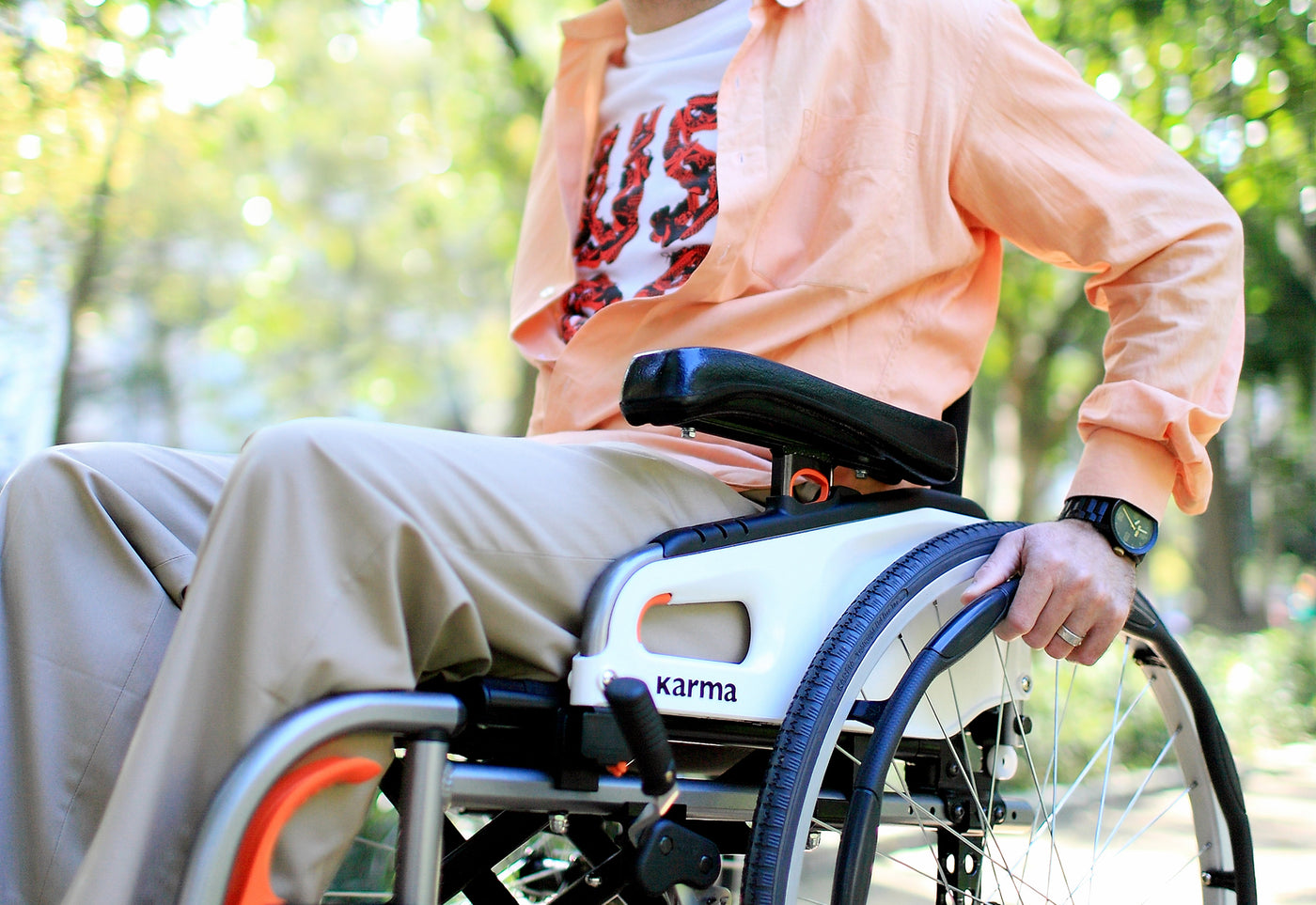
Using a rollator safely is about more than simply having one. From correct handle height and brake use to choosing the right model and keeping it well maintained, a few...

Memory changes can be a natural part of ageing, but for people living with dementia they can begin to affect everyday routines and independence. Memory care at home focuses on...

Make your bathroom a safer space without compromising independence. From non slip solutions to toilet aids and bath lifts, small changes can reduce the risk of falls and make daily...

Most falls happen at home, and often in the spaces we use the most. The living room is where we relax, watch TV, read, and spend time with whānau and...

Travelling with your wheelchair, powerchair, or scooter doesn’t need to be stressful. With the right planning, awareness of airline regulations, and some practical tips, you can make sure your mobility...

Batteries power the mobility devices that support daily independence, but they also come with responsibilities. Whether you're charging a powerchair or storing spare batteries, proper handling is essential for safety....
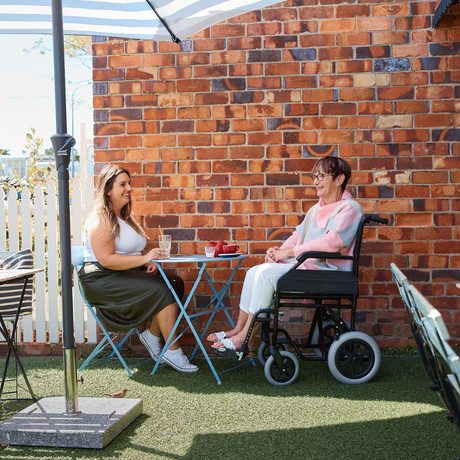
Maintaining safety while using a wheelchair is crucial for protecting your independence, comfort, and well-being. Whether you’re navigating daily routines or heading outdoors, following these safety practices can help you...
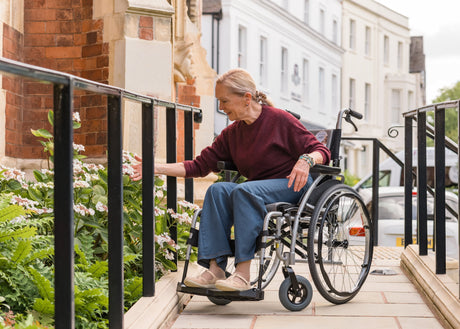
Mobility devices are more than just equipment—they can be life-changing tools that support independence, safety, and an active lifestyle. Whether you’re considering a wheelchair, walker, rollator, or another mobility aid,...
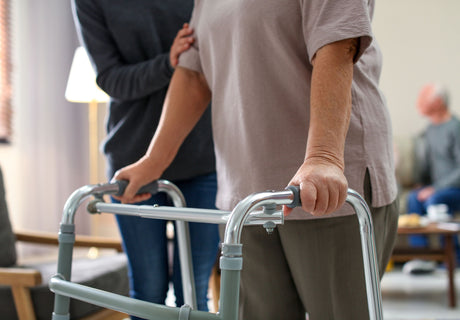
Karma Medical, one of our wheelchair suppliers, has written a blog on how to prevent elderly people from falling and what to do when an elderly person falls. Preventing an...
The Allied Medical blog is a resource for people looking for practical information about mobility equipment and assistive technology in New Zealand. Our articles explore equipment and solutions that can help people participate in everyday activities, maintain mobility and support greater independence at home and in the community.
Topics include mobility aids, wheelchairs, powerchairs, mobility scooters, seating and positioning, paediatric equipment and daily living solutions. We also share product information, useful tips, company updates and news from the Allied Medical team.
Choosing mobility equipment involves considering the individual, their environment and how the equipment will be used. Our mobility articles provide information about different solutions available through Allied Medical, including manual wheelchairs, power wheelchairs, mobility scooters and related mobility accessories.
Whether you are researching mobility equipment for yourself, supporting a family member or working with clients as a healthcare professional, our articles can help you become more familiar with available equipment and important considerations.
Effective seating and positioning can be an important part of wheelchair use. Our blog includes information relating to wheelchair seating, positioning products, wheelchair cushions, back supports and associated equipment.
These resources are designed to complement individual assessment and professional advice where required, helping readers better understand the purpose, features and applications of different seating and positioning solutions.
Assistive equipment can make many everyday activities easier and safer. Allied Medical provides information about daily living aids and independent living equipment for a range of environments and needs.
Our articles may cover equipment for use around the home, personal care, transfers, mobility and other everyday activities, along with practical information about selecting and using assistive products.
Children and families can have very different equipment requirements depending on age, development, activities and individual needs. Our paediatric articles explore relevant paediatric mobility, seating, positioning and assistive equipment, as well as product developments and practical considerations.
For specialised equipment, Allied Medical recommends working with the appropriate healthcare professional to determine what may be suitable for an individual child.
There is rarely a single solution that suits everyone. When researching mobility or assistive equipment, consider the user's individual needs, where the equipment will be used, dimensions and fit, ease of operation, transport requirements and any recommendations from their healthcare team.
Product specifications and sizing should always be checked before choosing equipment. For more general information about ordering, products, trials and Allied Medical services, visit our Product FAQs.
Allied Medical works with mobility, rehabilitation and assistive equipment for people throughout New Zealand. Our blog brings together product knowledge, practical guidance and industry information to help customers and healthcare professionals learn more about the equipment available.
Explore the latest articles above or browse the Allied Medical website to find mobility and assistive equipment suited to a wide range of everyday needs.